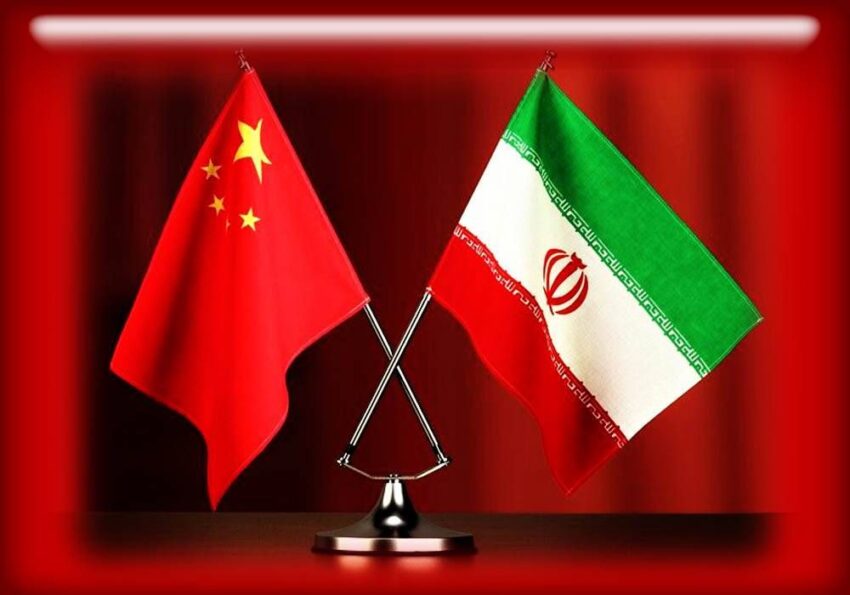
If you’ve been following international news lately, you’ve probably noticed how tense things are getting in the Middle East. One headline that’s been floating around recently is about China potentially supporting Iran with financial aid, spare parts for military equipment, and even missile technology.
Now, whether you’re a hardcore geopolitics nerd or just someone who casually scrolls through news on your phone while drinking coffee, this kind of development definitely raises some eyebrows. pedulitogel It’s not just about two countries cooperating it’s about how that cooperation might shift the balance of power globally.
And honestly, moments like this remind me how interconnected the world really is.
Why China and Iran Are Getting Closer
China and Iran have been building their relationship for quite some time. It’s not something that appeared overnight. Over the past decade, the two countries have strengthened ties in energy, trade, and strategic cooperation.
Iran sits on huge oil and gas reserves, which China needs to fuel its massive economy. Meanwhile, Iran has been looking for powerful allies as it faces economic sanctions and political pressure from Western countries.
So when reports suggest China might provide support like cash investments, spare military components, or missile-related technology, it fits into a broader pattern of long-term strategic cooperation.
From China’s perspective, strengthening partnerships in the Middle East could help secure energy routes and increase its global influence.
The Military Technology Question
One of the most talked-about aspects of this situation is missile technology.
Missiles aren’t just regular weapons. They represent advanced military capability, deterrence power, and sometimes even national pride. If a country gains access to better missile technology, it can dramatically change its defense strategy.
That’s why any discussion about technology transfers tends to make other countries nervous.
Support could include components, engineering knowledge, or guidance systems. Even small technological upgrades can significantly improve the range, accuracy, or reliability of missile systems.
And when military technology enters the conversation, global politics tends to get complicated very quickly.
What This Means for the Middle East
The Middle East has always been a region where alliances shift and geopolitical tension is never far away. If China increases its support for Iran, it could reshape relationships across the region.
Countries like Saudi Arabia, Israel, and the United States are closely watching developments involving Iran’s military capabilities. Any perceived increase in Iran’s strategic power could trigger new diplomatic moves or security adjustments.
It’s almost like watching a slow-moving chess game, where every country is carefully calculating its next move.
Personally, I think what makes this situation fascinating is how global power dynamics are changing. For decades, Western powers dominated international security discussions. But now countries like China are playing a much bigger role.
The Bigger Picture of Global Influence
Beyond missiles or spare parts, this situation reflects something bigger the growing competition between global powers.
China has been expanding its influence across Asia, Africa, and the Middle East through trade, infrastructure investments, and diplomatic partnerships. Supporting allies financially or technologically is another way to strengthen those relationships.
At the same time, Iran continues searching for partners that can help it maintain economic stability and strategic independence.
So while the headlines might focus on missiles or money, the real story might actually be about influence, alliances, and the future shape of global politics.
And honestly, the next few years could reveal just how significant these partnerships become.